

Table of Contents
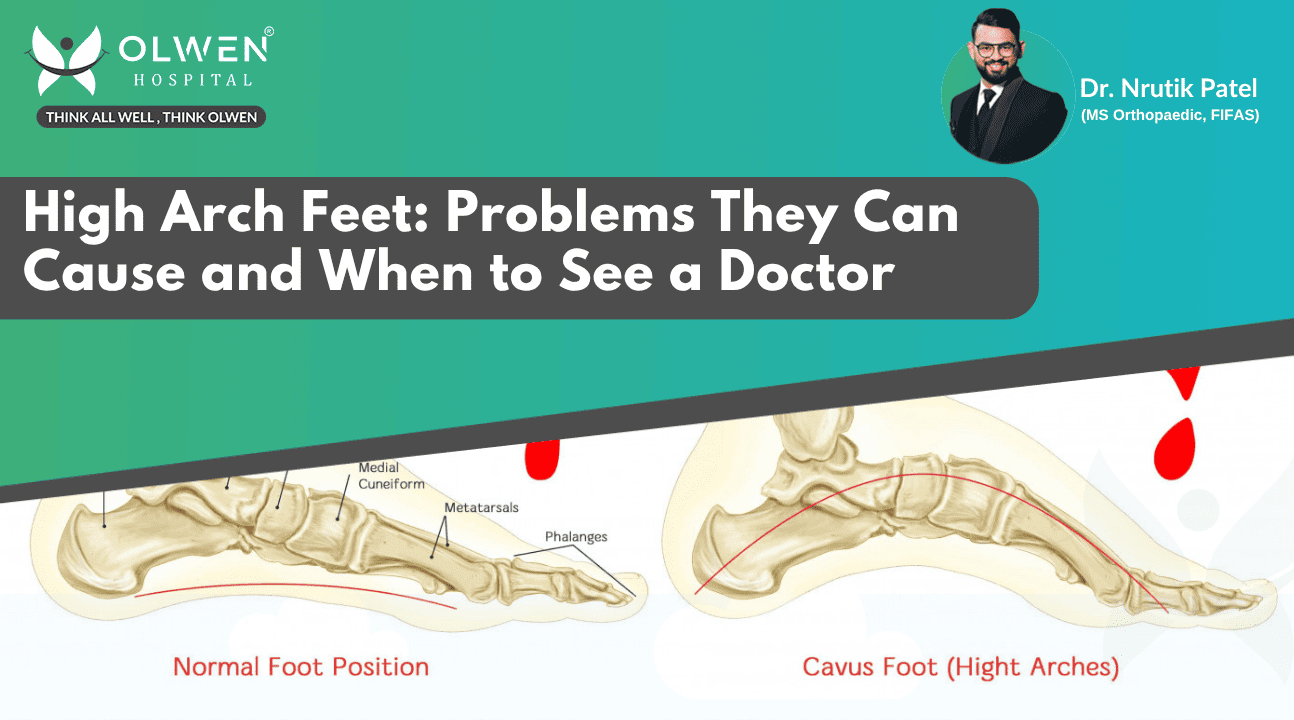
Table of Contents
Our feet play a very important role in supporting our body and helping us move comfortably. The arch of the foot acts like a natural shock absorber. While some people have normal arches or flat feet, others have high arch feet, also known as pes cavus. This condition may seem harmless at first, but it can lead to several problems if not properly managed.
What Are High Arch Feet?
High arch feet occur when the arch of the foot is raised more than normal. This means that when you stand, most of your body weight is placed on the heel and the ball of the foot, instead of being evenly distributed. High arches can be present from birth (genetic) or may develop due to certain neurological or muscle-related conditions.
Problems Caused by High Arch Feet
1. Foot Pain
One of the most common issues is pain in the heel or the ball of the foot. Because the pressure is not evenly spread, certain areas of the foot carry more weight, leading to discomfort, especially after long periods of standing or walking.
2. Ankle Instability
People with high arches often experience poor balance. This can increase the risk of ankle sprains and injuries, even during simple activities like walking on uneven surfaces.
3. Calluses and Corns
Due to increased pressure on specific areas, thickened skin or calluses can develop on the heel and the ball of the foot. These can become painful over time if not treated.
4. Toe Deformities
High arches can sometimes lead to conditions like claw toes or hammertoes, where the toes bend into abnormal positions. This can make wearing regular footwear uncomfortable.
5. Stress Fractures
Since high arches reduce the foot’s ability to absorb shock, the bones may experience more stress. This can increase the risk of small cracks in the bones, known as stress fractures.
6. Pain in Knees, Hips, and Back
Foot alignment affects the entire body. High arches can change the way you walk (gait), which may lead to pain in the knees, hips, and lower back over time.
How It Affects Daily Life
High arch feet can make everyday activities like walking, running, or standing for long hours uncomfortable. Finding the right shoes can also be difficult, as regular footwear may not provide enough support or cushioning.
When to See a Foot and Ankle Surgeon
It is important to consult a foot and ankle surgeon if you notice:
Early diagnosis and proper care can help prevent serious complications. For the right guidance and advanced treatment, it is always recommended to consult a Dr. Nrutik Patel (Best Orthopaedic Surgeon in Gujarat) who can accurately diagnose the condition and suggest the most effective treatment plan.
Tips for Managing High Arch Feet
FAQs
Conclusion
High arch feet may not always cause immediate problems, but ignoring the condition can lead to pain and long-term complications. Understanding the symptoms and taking early action can make a big difference in your overall foot health. If you experience discomfort, instability, or difficulty in movement, seeking timely advice from a foot and ankle specialist can help you manage the condition better and maintain an active, pain-free life.