

Introduction
Your heel is one of the most important parts of your body, supporting you every time you walk, run, jump, or even stand. The bone behind your heel, called the calcaneum, bears a lot of pressure throughout the day. But sometimes, due to an accident or injury, this bone can break, leading to a calcaneum fracture.
If you experience a calcaneum fracture, it can be incredibly painful and may make it difficult to walk or put any weight on your foot. But don’t worry—early treatment and care can help you recover fully. In this blog, we’ll cover:
What Is a Calcaneum Fracture?
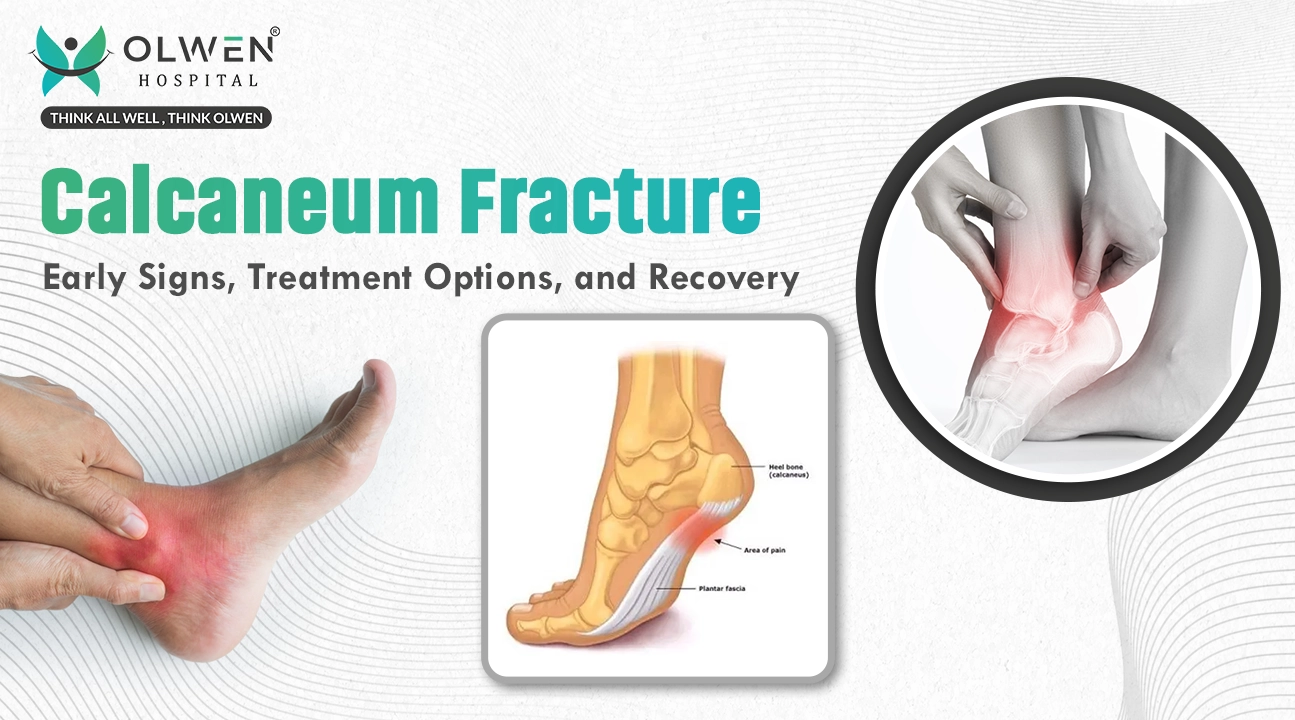
The calcaneum is the large bone at the back of your foot, forming your heel. This bone carries your body’s weight and helps you to walk, run, or stand.
A calcaneum fracture happens when the heel bone cracks or breaks under a powerful impact or injury.
The type of calcaneum fracture depends on how severe the injury is, and it is generally divided into the following categories:
What Causes a Calcaneum Fracture?
The most common causes of a calcaneum fracture are accidents or sudden injuries. Here are the usual culprits:
- 1Falls from a height – Landing on your feet after falling from a ladder, stairs, or another height is a common cause.
- 2Car or bike accidents – A car crash or bike accident can crush or twist your foot, leading to a fracture.
- 3Sports injuries – Activities like running, jumping, or sudden movements in sports can result in a calcaneum fracture.
- 4Repeated stress – Athletes, especially runners, can develop stress fractures from repetitive pressure on the foot.
- 5Osteoporosis – If your bones are weak, as they can be in people with osteoporosis, fractures are more likely to happen.
Early Signs of a Calcaneum Fracture
A calcaneum fracture can be very painful, and while you might initially think it’s just a sprain, the symptoms are usually more severe. Keep an eye out for these signs:
If you notice these symptoms, it’s important to get checked by a foot and ankle specialist as soon as possible.
Treatment Options for Calcaneum Fractures
Treatment for a calcaneum fracture depends on how severe the injury is. Here are the main options:
1. Non-Surgical Treatment (for mild fractures)
If the fracture is not severe, doctors will recommend non-surgical treatment, which may include:
2. Surgical Treatment (for serious fractures)
In more severe cases, surgery may be necessary, especially if the bone is displaced or shattered or if the fracture involves the joint. The goal of surgery is to realign the bone properly using metal plates or screws so that it heals correctly.
Surgery helps prevent long-term issues like arthritis, chronic pain, and misalignment of the foot.
Tips for a Better Recovery
Once your fracture is treated, it’s important to follow the proper recovery steps:
Calcaneum Fracture Treatment in Ahmedabad – Olwen Hospital, Orthopedic Hospital
If you’re looking for expert care for a calcaneum fracture, Olwen Hospital in Ahmedabad is here to help. Here’s why our patients trust us:
Frequently Asked Questions (FAQs)
Final Thoughts
A calcaneum fracture may seem like a minor injury, but it can seriously affect your daily life if not treated properly. If you experience symptoms like heel pain, swelling, or trouble walking, don’t wait to see a doctor.
At Olwen Hospital, we provide expert care and support to help you recover fully and get back on your feet. With the right treatment and a focused recovery plan, you can return to your active lifestyle without pain.